







Search Results for: G2 coffee beans
Understanding the Ethiopian Coffee Bean Grading System: What Exactly Is the Difference Between Yirgacheffe G1 and G2?
Yirgacheffe is one of Ethiopia's most representative specialty coffee regions, and Front Street Yirgacheffe G1 and Front Street Yirgacheffe G2 are the two beans most easily available for everyday purchase. What exactly is the difference between G1 and G2? Which one is of better quality? To answer these questions, one must first understand Ethiopia's coffee grading system. From the evaluation perspective of Front Street Coffee, this article sorts out the origins and development of the two grading systems, CLU and ECX, analyzes the respective scoring dimensions of washed and natural processing, and presents the real differences between Front Street Yirgacheffe G1 and G2 through a direct comparison of green bean appearance, roasted bean appearance, and cupping flavor. [more…]
Ethiopian Yirgacheffe Coffee Beans: G1 vs G2 Grade Differences and Flavor Comparison Analysis
Yirgacheffe is a highly representative coffee-producing region in Ethiopia, and its G1 and G2 grades often confuse enthusiasts. Starting with Ethiopia's coffee grading system, this article sorts out the rating evolution of CLU and ECX, explains in detail the scoring standards of washed and natural processing in terms of physical characteristics and cupping quality, and compares the actual differences between Front Street Coffee Yirgacheffe G1 and G2 in green bean appearance, roasted bean appearance, and flavor. Through cupping, it was found that although the two share citrus, fruit tea, honey, and berry tones, G1 is superior in cleanliness and aroma refinement, while G2 is slightly thinner. It is suitable for coffee enthusiasts who want to gain an in-depth understanding of Yirgacheffe grades and purchasing. [more…]

A Detailed Explanation of the Ethiopian Coffee Bean Grading System: Standard Differences and Flavor Comparison Between Yirgacheffe G1 and G2
As the birthplace of coffee, Ethiopia's grading system directly affects the quality and flavor expression of coffee beans. The Yirgacheffe region is world-renowned, but what exactly is the difference between the commonly seen Front Street Yirgacheffe G1 and G2 coffee beans on the market? Behind this lies the evolution of Ethiopia's coffee grading system. From CLU to ECX, from simple defect counting to a comprehensive score combining physical characteristics and cupping flavor, the grading standards have undergone major changes. This article will systematically review the historical development and specific standards of Ethiopian coffee grading, compare the grading differences between washed and natural processing, and through three dimensions—green bean appearance, roasted bean appearance, and cupping flavor—deeply analyze the actual differences between Front Street Yirgacheffe G1 and G2, helping coffee enthusiasts understand the quality implications behind the grade numbers. [more…]
A Detailed Explanation of Ethiopia's Coffee Grading System: Grade Differences and Flavor Comparison Between Yirgacheffe G1 and G2
Yirgacheffe is one of Ethiopia's most representative specialty coffee regions, but what exactly is the difference between the commonly found Front Street Yirgacheffe G1 and G2 coffee beans? Which grade is higher? Behind this lies Ethiopia's complex coffee grading system. Starting from CoffeeHunters' review, this article systematically sorts out Ethiopia's coffee grading standards, compares the differences between G1 and G2 in defect rate, cupping score, and flavor performance, and helps coffee lovers gain a deeper understanding of the secrets of Yirgacheffe's grades. [more…]

Analyzing the Grade Difference Between Ethiopian Coffee Beans G1 and G2: A Case Study of Washed Yirgacheffe Beans
Ethiopia, as the genetic repository of Arabica, has a truly unique coffee bean grading system. Because there are so many varieties, most growing wild or semi-wild, coffee farmers often process them in mixed batches at harvest, making it difficult to grade by size. As a result, the Ethiopian government chose to use defect rate as the primary criterion. After the new ECX system was implemented in 2009, cupping scores were also incorporated into the rating system, finally giving natural-process beans a chance to rank among G1 and G2. So, for washed Yirgacheffe of the same origin, just how big is the difference between G1 and G2? Front Street Coffee takes Kochere G1 and a washed Yirgacheffe everyday drinking bean G2 as examples, comparing green bean appearance, defect rate, and cupping flavor to give you a closer look. [more…]
Ethiopian Yirgacheffe G1 vs G2 Grading Differences: A Full Analysis of Washed and Natural Processing, Regions, and Estates
Yirgacheffe, as Ethiopia's most representative coffee region, has long been favored by coffee enthusiasts for the floral and fruity flavors produced by its washed and natural processing methods. But do you know how the G1 and G2 grades are actually divided? And what substantial differences exist between them? This article will systematically sort out Ethiopia's coffee bean grading system, tracing the evolution from CLU to ECX, explaining in detail the scoring standards for washed and natural processing methods in terms of physical characteristics and cup quality, and through an actual cupping comparison of Front Street Coffee's Yirgacheffe G1 and G2, reveal the specific differences between the two in terms of cleanliness, aroma complexity, and defect rate, helping you make a clearer judgment when purchasing. [more…]
Explaining the Grading Differences Between Yirgacheffe G1 and G2: From Ethiopia's Defect Rate Standards to the New Cup Testing System
Yirgacheffe, as a representative coffee-producing region in Ethiopia, frequently has its G1 and G2 grades mentioned, but what exactly is the difference between the two? This article begins with the evolution of Ethiopia's coffee grading system, first introducing the old system based on defect rates, then explaining the new regulations after the ECX introduced cupping scores in 2009, and explaining why naturally processed beans can also obtain G1 and G2 grades. Subsequently, using washed Yirgacheffe as an example, it compares the actual differences between Front Street Coffee's Gutingding (G1) and Front Street Coffee's washed Yirgacheffe everyday beans (G2) in terms of green bean appearance, defect proportion, and brewed flavor, helping readers understand the quality implications behind the grades. [more…]
A Complete Analysis of the Reasonable Price Range for Ethiopian Coffee and the Grading Differences Between Yirgacheffe G1 and G2
Ethiopian coffee has always won the favor of many coffee lovers with its affordable prices and rich floral and fruity aromas. But faced with the bewildering array of grade labels on the market, such as Yirgacheffe's G1 and G2, many people are not clear on exactly how they differ and which is more worth buying. This article will start with the price level of Ethiopian coffee, combine it with specific beans from Front Street Coffee, and then delve into the evolution of the country's coffee grading system—from the early CLU defect-count grading to the ECX scoring system that combines physical characteristics with cupping flavor—breaking down one by one the logic of grade classification under washed and natural processing, and focusing on comparing the substantive differences between G1 and G2 in defect rate and cupping score, to help you make more rational purchases of Ethiopian coffee. [more…]
Yirgacheffe Kochere G1 vs G2 Comparison: A Detailed Explanation of Green Bean Grading, Roasting Curves, and Cupping and Pour-Over Flavor Differences
The Yirgacheffe region of Ethiopia is famous for its unique flavors, and among them the high-altitude washed beans from Kochere are highly favored by coffee lovers. But what exactly is the difference between G1 and G2 grades from the same region? This article starts with two washed Yirgacheffe coffees from Front Street Coffee, and combines ECX grading standards, green bean appearance, roasting curves, cupping, and pour-over performance to compare in detail the differences between G1 and G2 in defect rate, bean uniformity, aroma layering, and cup cleanliness, helping readers understand the specific impact of grade classification on flavor, with complete brewing parameters and flavor descriptions included. [more…]
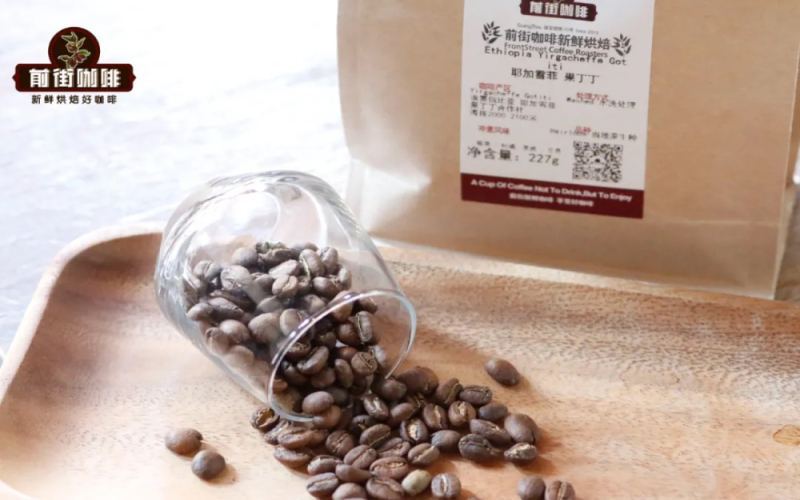
A Complete Guide to Ethiopia's Green Coffee Grading System: Yirgacheffe G1 vs. G2 Differences and Buying Guide
Ethiopia, as the genetic treasure trove of Arabica coffee, has a unique green bean grading system. Unlike Kenya, which grades by bean size, or Blue Mountain, which grades by altitude, Ethiopia primarily classifies grades based on defect rates and cupping scores. This article will systematically sort out the evolution of Ethiopia's old and new grading systems, provide an in-depth analysis of the specific standards for grades G1 through G9, and, using Yirgacheffe as an example, compare the actual differences between washed G1 and G2 in green bean appearance and flavor performance. It will also share Front Street Coffee's brewing parameters and tasting experience to help coffee enthusiasts fully understand the logic of Ethiopian coffee quality grading. [more…]

Yirgacheffe Coffee Grading | Is There a Big Difference Between G1 and G2 Yirgacheffe Single-Origin Beans? Must-Buy Light Roast Pour-Over Coffee Beans for Coffee Lovers
We know that coffee bean grading methods are usually based on the actual conditions of the growing country. Some are graded by bean size, such as Kenyan coffee; some by altitude, such as Blue Mountain coffee; and some by defect rate, such as Ethiopian coffee. As the gene pool of Arabica, Ethiopia has a wide variety of coffee varieties. [more…]
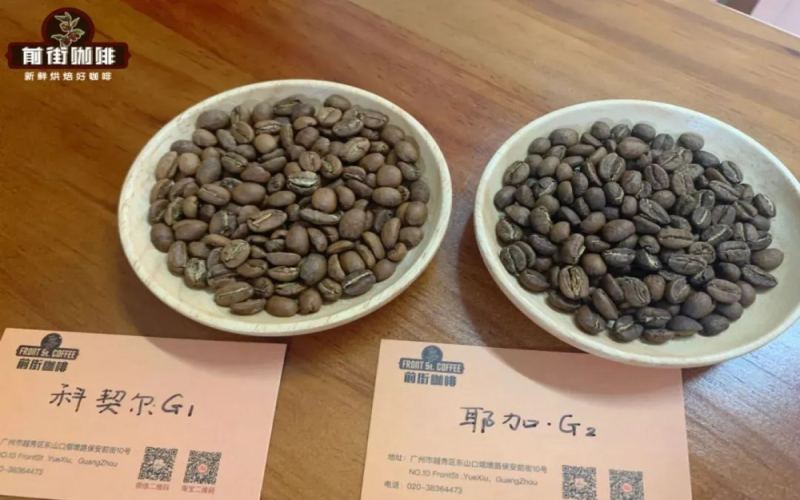
A Comprehensive Analysis of the Meaning of Ethiopian Coffee G1 and G2 Grades and the Evolution of Its Grading System
Ethiopia, as Africa's largest coffee producer and the widely recognized birthplace of coffee, often labels its coffee beans with grades G1 or G2. What exactly do these letter-and-number combinations represent? This article traces the historical evolution of Ethiopia's coffee grading system, from the early CLU system that classified purely by defect count, to the introduction of cupping score comprehensive rating after the establishment of the ECX in 2009, and finally to the latest revised export standards in 2022. You will learn about the differences between washed and natural processing in grading, as well as the distinction between Q1 and Q2 specialty grades and commercial and domestic coffee. The article also retains product information from the Front Street brand, making it suitable for every reader who loves Ethiopian coffee to read in depth. [more…]
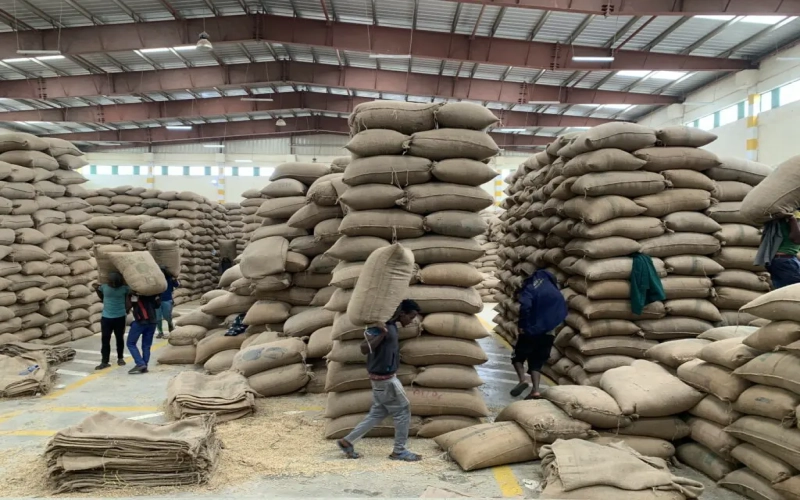
Detailed Explanation of Ethiopian Sidamo Coffee Bean Grading: Classification Standards and Differences Between G1 and G2 Grades
As an agricultural product, coffee beans' quality is influenced by many factors, so a grading system is needed to standardize quality and provide a purchasing reference for green bean buyers. Grading standards vary across producing regions: some are based on altitude, others on bean size, while Ethiopia uses a combination of defect rate and cupping. This article will provide an in-depth analysis of the meaning of the G1 and G2 grades for Ethiopian Sidamo coffee beans, explore the evolution of its grading system, and, through a comparison of Yirgacheffe G1 and G2—from appearance and roasting to cupping flavor—reveal the practical impact of grade differences on coffee quality. At the same time, Front Street Coffee's brewing recommendations will also provide you with useful reference. [more…]
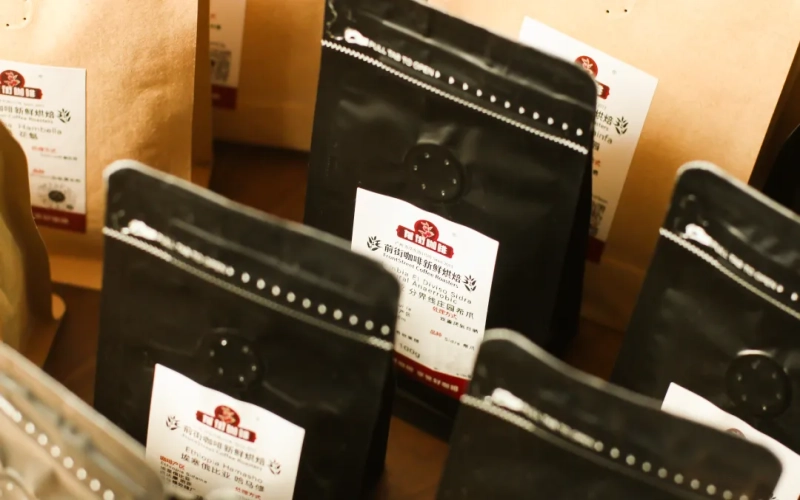
Washed Yirgacheffe Flavor Analysis: What Are the Differences in Taste and Appearance Between G1 and G2 Grades?
Yirgacheffe is the most representative specialty coffee region in southern Ethiopia, and its washed version is famous for its clean, bright floral and fruity notes. Front Street Coffee has long used washed Yirgacheffe as a reference for the region's flavor and currently offers G1-grade products, while also having compared the performance of G2 grade. Starting from the region's background, the washed processing flow, and the ECX grading system, this article will analyze in detail the flavor characteristics of washed Yirgacheffe, compare the specific differences between G1 and G2 in appearance, roasting, cupping, and brewing, and finally include Front Street's roasting and pour-over recommendations to help coffee enthusiasts build a clear understanding of the region. [more…]
Understanding Ethiopia's Coffee Defect Grading System: What Exactly Is the Difference Between G1 and G2?
As an agricultural product, coffee beans vary significantly in quality, which is why grading systems have become an important means of standardizing quality and guiding green bean procurement. However, the grading criteria across global producing regions are not uniform—Central America mostly grades by altitude, Kenya by bean size, while Ethiopia uses defect rates to classify grades. Why does Ethiopia take this unique approach? What substantive differences actually exist between the G1 and G2 grades? This article, from the perspective of Front Street Coffee, sorts out the evolutionary logic of Ethiopia's grading system, and through a visual comparison of Yirgacheffe G1 and G2 green beans, roasting performance, and cupping evaluation, reveals one by one the true meaning behind grade labels, helping coffee enthusiasts view the issue of bean grades more rationally. [more…]
Ethiopian G1 vs G2 Single-Origin Beans: Grading Criteria, Flavor Comparison, and Front Street Brewing Tests
Ethiopia's coffee grading system is unique, using defect rate as its core criterion, which stands in sharp contrast to the practices of most producing regions that grade by altitude or bean size. As the two most common grades, G1 and G2—just how big is the gap between them in terms of green bean appearance, roasting performance, and cup flavor? From the perspective of Front Street, this article traces the origins of the Ethiopian grading system, and through a comparative test of Yirgacheffe G1 and G2, examines everything from green bean condition and roast color values to brewing and tasting, helping coffee enthusiasts understand the practical meaning of grade labels and what role they actually play in the consumption of roasted beans. [more…]
Yirgacheffe Kochere Estate Coffee Flavor and Grading System Analysis: The Lemon Notes and Origin Story of Washed G2
Yirgacheffe is one of Ethiopia's most iconic coffee regions, impressive for its complex aromas and outstanding flavor. This article starts with its flavor characteristics, describing in detail the dry and wet aroma performance of Front Street Yirgacheffe, and analyzing its unique grading system—which is not based on screen size, but on the proportion of defective beans. It also introduces specific information about Front Street's Kochere Estate washed G2, including roast level, processing method, altitude, and bean size, while tracing the history and business model of coffee cultivation in this region. The article also shares the shop's experience of searching for G1-grade Yirgacheffe, as well as micro-lot G1 Yirgacheffe recommended by professional overseas tasting websites. [more…]
Front Street Coffee Yirgacheffe Kochere Estate Coffee: A Full Analysis of Flavor, Mouthfeel, Washed G2 Grade, and Grind Setting
Front Street Yirgacheffe Kochere Estate coffee is one of the representatives of Ethiopian specialty coffee. This article focuses on this washed G2 lot, outlining its flavor keywords, roast level, processing method, altitude, bean size, and regional background, and introduces the local coffee cultivation and cooperative business model in Kochere. The article also analyzes the aroma and mouthfeel performance of Front Street Yirgacheffe, as well as the grading system centered on the proportion of defective beans. In addition, the article reviews the Koke Estate sun-dried G1 Yirgacheffe that the shop once sold, and mentions 3 G1 micro-lot Yirgacheffes recommended by Coffee Review, providing coffee lovers with a complete reference on varieties and brewing. [more…]
Washed Yirgacheffe Full Guide: Regional Grading, G1 vs G2 Flavor Comparison, and Pour-Over Parameter Recommendations
While novel processing methods like anaerobic and barrel fermentation dominate the spotlight, washed Yirgacheffe still firmly holds its place as a classic thanks to its clean and bright cup profile. This article will guide you through the Yirgacheffe growing region and Ethiopia's three major cultivation systems, break down the complete steps of the washed processing method and the ECX grading rules, and compare Front Street Coffee's washed Yirgacheffe G1 and G2 in terms of green bean appearance, roasting curves, and cupping flavors. At the end, we've included Front Street's pour-over parameter recommendations and measured results at different water temperatures to help you brew a cup of Yirgacheffe with bright fruit acidity and overflowing floral aromas. [more…]

Yirgacheffe Coffee Grading System Explained: Differences Between G1 and G2 and Brewing Parameters Flavor Guide
Yirgacheffe, also from Ethiopia, why does the quality and price of commercially available beans vary so dramatically? The key lies in the grading system. This article systematically sorts out the grading logic of Yirgacheffe for you: how the Ethiopian Ministry of Agriculture's CLU institution and the ECX system operate, what washed beans and natural beans are graded according to respectively, where G1 and G2 differ in defect rate and cupping score, and what Q1 and Q2 mean. The article also compares how the two processing methods, natural and washed, shape flavor, and includes Front Street's V60 brewing parameters and cupping flavor descriptions, so that you have a basis for both selecting beans and brewing. [more…]